English
 العربية

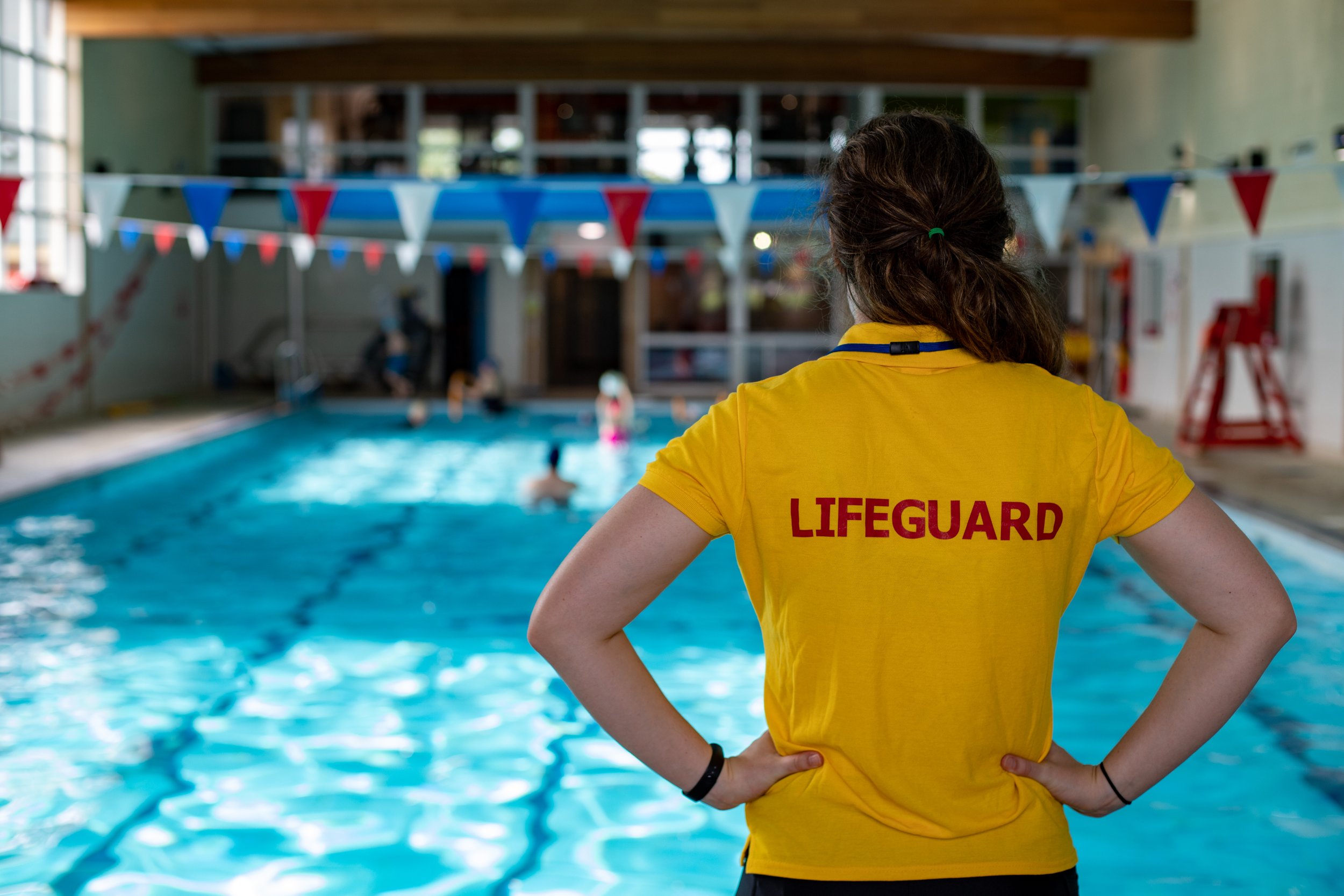
A lifeguard class is the first step toward becoming a certified professional responsible for water safety. Whether you want to work at a pool, beach, or water park, enrolling in a lifeguard class equips you with essential rescue skills, emergency response knowledge, and the confidence to handle critical situations.
What Is a Lifeguard Class?
A lifeguard class is a structured training course that teaches participants how to prevent and respond to aquatic emergencies. It blends classroom instruction with hands-on practice in the water, ensuring that students gain both theoretical understanding and real-life experience.
Most lifeguard class are offered by recognized organizations and follow international safety standards. By the end of the course, participants are tested on their knowledge and physical ability before receiving certification.
What You Learn in a Lifeguard Class
A comprehensive lifeguard class covers multiple areas of safety and rescue. Here are the key components:
1. Water Rescue Skills
You’ll learn how to rescue active and passive drowning victims, perform spinal injury rescues, and safely use rescue equipment like tubes and backboards.
2. CPR and First Aid
Classes include training in CPR (Cardiopulmonary Resuscitation), AED usage, and basic first aid. These skills are essential for handling cardiac emergencies, injuries, and other medical situations.
3. Surveillance Techniques
Lifeguards must constantly monitor swimmers. You’ll learn how to scan effectively, identify risks, and prevent accidents before they happen.
4. Emergency Action Plans
You’ll be trained to respond quickly and efficiently during emergencies by following structured action plans and working as part of a team.
Requirements to Join a Lifeguard Class
Before enrolling, most programs require participants to meet certain criteria:
- Minimum age: Usually 15 or 16 years old
- Swimming ability: Ability to swim a set distance (e.g., 200–300 meters)
- Endurance test: Treading water for a specific time
- Basic fitness level: To handle physical rescue tasks
These requirements ensure that candidates are physically capable of completing the training.
Duration of a Lifeguard Class
Lifeguard classes typically last 20 to 30 hours, spread over a few days or weeks. Some programs offer intensive courses that can be completed in a weekend, while others provide flexible schedules for students.
The course usually includes:
- Classroom sessions
- Pool or open-water training
- Practice drills
- Final written and practical exams
Certification and Validity
After successfully completing the class, participants receive a lifeguard certification, which is usually valid for two years. To maintain certification, lifeguards must take refresher courses and demonstrate continued competency.
Types of Lifeguard Classes
Different environments require specialized training. You can choose a class based on your career goals:
- Pool Lifeguard Class: Ideal for swimming pools and fitness centers
- Waterfront Lifeguard Class: Focuses on lakes and rivers
- Beach Lifeguard Class: Covers ocean conditions, waves, and long-distance rescues
Each type builds on core skills but adds environment-specific techniques.
Benefits of Taking a Lifeguard Class
1. Life-Saving Skills
You gain the ability to respond to emergencies and potentially save lives.
2. Job Opportunities
Lifeguard certification opens doors to jobs at pools, resorts, beaches, and water parks.
3. Confidence and Leadership
Handling real-life scenarios builds confidence and decision-making skills.
4. Physical Fitness
The training improves your swimming ability, strength, and endurance.
Tips to Succeed in a Lifeguard Class
- Practice swimming regularly before starting
- Stay attentive during lessons—details matter in emergencies
- Participate actively in all drills and exercises
- Ask questions if anything is unclear
- Maintain physical fitness throughout the course
Final Thoughts
A lifeguard class is more than just a training course it’s a gateway to becoming a responsible and skilled individual capable of protecting others. Whether you’re pursuing it as a job or a personal skill, the knowledge and experience you gain are invaluable.