English
 العربية

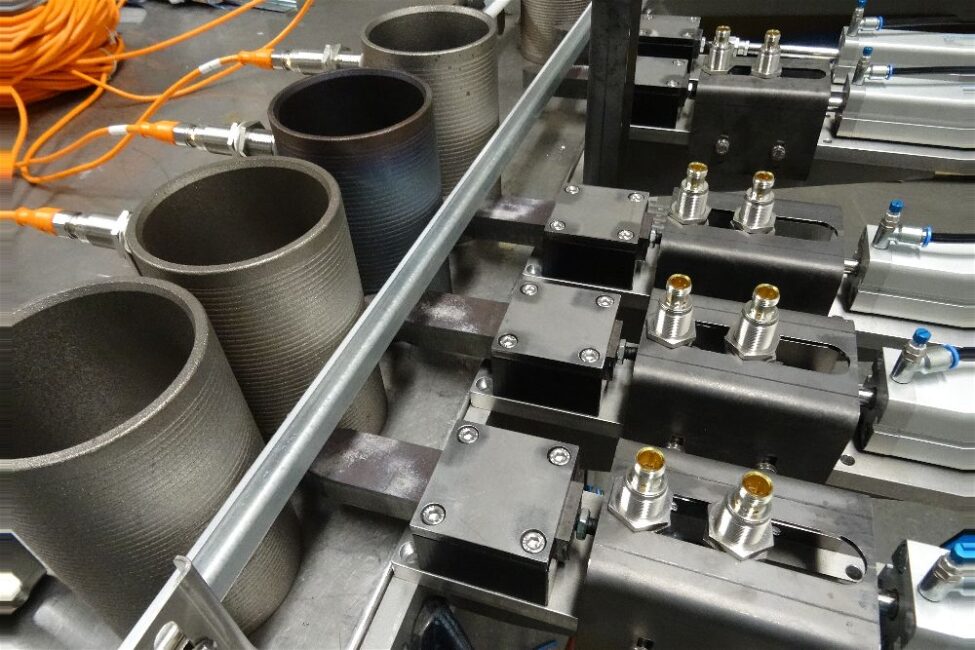
In modern manufacturing and logistics, efficiency is everything. Whether you’re running a warehouse, a packaging line, or a production facility, even small delays can lead to significant losses. That’s where well-designed conveyor systems come into play. However, the performance of any conveyor setup depends heavily on the quality and compatibility of its individual parts.
Understanding conveyor components is essential for anyone involved in system design, maintenance, or optimization. These components work together to ensure smooth material flow, reduce downtime, and improve safety. Without a clear grasp of how each part functions, businesses risk inefficiencies, breakdowns, and increased operational costs.
This guide breaks down the key elements of conveyor systems, explains how they work, and provides practical insights to help you make better decisions in real-world applications.
Core Topic Explanation: What Are Conveyor Components?
Conveyor components are the individual mechanical and structural parts that make up a conveyor system. Each component serves a specific purpose, and together they enable the seamless movement of materials from one point to another.
Here are the main components you should understand:
1. Conveyor Belt or Chain
This is the surface that carries materials. Belts are common in industries like food processing, while chains are often used in heavy-duty applications such as automotive manufacturing.
2. Rollers and Idlers
Rollers support and guide the belt. Idlers are non-powered rollers that maintain alignment and reduce friction.
3. Pulleys
Pulleys drive the belt and control its direction. The drive pulley is powered by a motor, while the tail pulley helps maintain tension.
4. Motor and Drive System
This is the power source. It determines the speed and load capacity of the conveyor.
5. Frame and Structure
The frame provides support and stability. It must be strong enough to handle the load and environmental conditions.
6. Bearings
Bearings reduce friction between moving parts, ensuring smooth operation and longer lifespan.
7. Guards and Safety Components
These include covers, emergency stops, and sensors that protect workers and equipment.
Each of these components must be carefully selected and integrated to match the specific needs of your operation.
Step-by-Step Guide to Selecting the Right Conveyor Components
Choosing the right components isn’t just about picking parts off a catalog. It requires a structured approach based on your operational requirements.
Step 1: Define Your Application
Start by identifying what you need the conveyor to do. Ask questions like:
- What type of material will be transported?
- What is the weight and size of the load?
- Is the environment dusty, wet, or temperature-sensitive?
For example, a food processing plant requires corrosion-resistant and hygienic components, while a mining operation needs heavy-duty, wear-resistant parts.
Step 2: Determine Load and Capacity
Calculate the maximum load your conveyor will handle. This affects:
- Belt strength
- Motor power
- Roller durability
Underestimating load capacity can lead to frequent breakdowns and costly repairs.
Step 3: Choose the Right Material
Materials matter more than most people realize. Common options include:
- Stainless steel for hygiene and corrosion resistance
- Aluminum for lightweight applications
- Carbon steel for heavy-duty use
For instance, in a humid environment, stainless steel components prevent rust and extend system life.
Step 4: Select Compatible Components
All components must work together seamlessly. Mismatched parts can cause:
- Misalignment
- Increased wear
- Energy inefficiency
Ensure that belts, rollers, and pulleys are designed to operate within the same specifications.
Step 5: Focus on Maintenance Accessibility
A well-designed system allows easy access to critical components. This reduces downtime during inspections and repairs.
Supporting Subtopics: Key Considerations for Performance
Energy Efficiency
Efficient components reduce power consumption. For example, high-quality bearings and properly aligned rollers minimize friction, lowering energy costs over time.
Noise Reduction
In facilities where noise is a concern, such as packaging plants, selecting low-noise rollers and vibration-dampening materials can improve the working environment.
Scalability
If your operation is growing, choose components that allow easy expansion. Modular designs make it easier to add sections without replacing the entire system.
Common Mistakes or Challenges
Even experienced professionals make mistakes when dealing with conveyor systems. Here are some common pitfalls to avoid:
1. Ignoring Environmental Conditions
Using standard components in extreme environments can lead to premature failure. For example, moisture can damage non-coated steel parts.
2. Overlooking Alignment Issues
Misaligned belts and rollers cause uneven wear and frequent stoppages. Proper installation and regular checks are essential.
3. Choosing Low-Quality Components
Cutting costs on components often results in higher maintenance expenses. Cheap parts wear out faster and can disrupt operations.
4. Neglecting Regular Maintenance
Even the best components require upkeep. Lack of maintenance leads to unexpected downtime and safety risks.
5. Incorrect Motor Sizing
An underpowered motor struggles to handle the load, while an oversized motor wastes energy. Proper calculation is key.
Practical Tips and Expert Recommendations
Drawing from industry experience, here are actionable tips to improve your conveyor system performance:
Prioritize Standardization
Use standardized components across your facility. This simplifies maintenance and reduces inventory costs.
Invest in Quality Bearings
Bearings are small but critical. High-quality bearings reduce friction, improve efficiency, and extend system life.
Implement Preventive Maintenance
Schedule regular inspections to identify wear and tear early. Replace components before they fail.
Use Sensors and Automation
Modern systems benefit from sensors that detect misalignment, overheating, or blockages. This helps prevent costly downtime.
Train Your Team
Ensure that operators and maintenance staff understand how the system works. Proper handling reduces errors and extends component lifespan.
Document Everything
Keep records of component specifications, maintenance schedules, and replacements. This data helps in troubleshooting and future planning.
Conclusion
Conveyor systems are only as reliable as the components that make them up. From belts and rollers to motors and bearings, each part plays a vital role in ensuring smooth and efficient operations.
By understanding how these components work together and following a structured selection process, you can build systems that are not only efficient but also durable and cost-effective. Avoid common mistakes, focus on quality, and prioritize maintenance to get the most out of your investment.
In the end, a well-optimized conveyor system doesn’t just move materials—it drives productivity, reduces costs, and supports long-term operational success.