
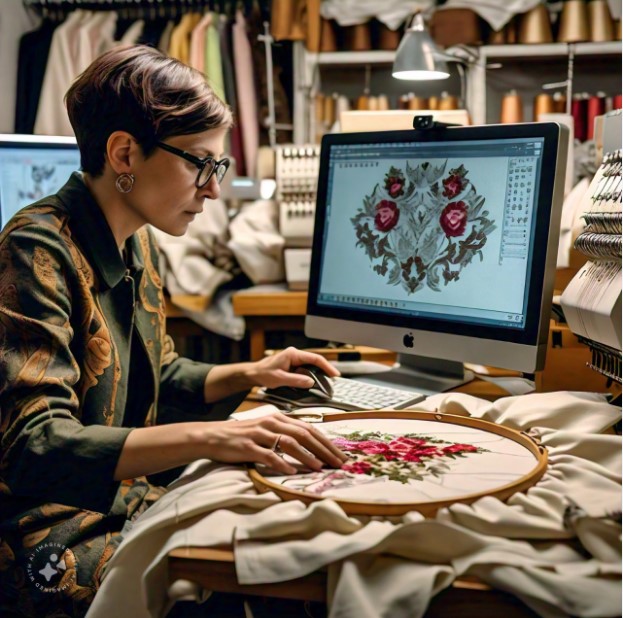
Embroidery is a fun and creative craft. Many people love it because it can turn a simple design into a beautiful piece of art. But sometimes a flat design may look a little plain. This is where the bold 3D style comes in. A raised embroidery look can make designs stand out more on caps, jackets, and bags.Many beginners want to learn How to Digitize 3D Puff for Embroidery because it gives designs a strong and professional look.
This style uses foam under the stitches to create a raised effect. When done correctly, the design looks bold, clean, and eye-catching.In this guide, you will learn simple steps to add a bold 3D effect to embroidery designs. The process may sound complex at first, but once you understand the basics, it becomes much easier. These tips come from real embroidery practice and professional digitizing methods.
What Is 3D Puff Embroidery?
3D puff embroidery is a special embroidery style. It creates raised stitches on the fabric surface. This effect is made by placing foam under the stitches.
The embroidery machine stitches over the foam. The foam lifts the stitches and makes the design appear thick and bold.
This technique is very popular in cap embroidery. You often see it on sports hats, brand logos, and streetwear designs.
Why People Love Raised Embroidery
Many brands choose this style because it adds depth and texture.
Here are some reasons why it is popular:
- The design looks bold and premium
- Logos become more visible
- Caps and jackets look more stylish
- The embroidery stands out from far away
Because of these benefits, many embroidery businesses offer this service to clients.
Materials Needed for 3D Embroidery
Before starting, it is important to gather the right materials.
Using the correct tools helps produce better results.
Essential Materials
You will need the following items:
- Embroidery machine
- Embroidery digitizing software
- Puff foam sheet
- Sharp embroidery needle
- Strong thread
- Cap or fabric
These items help create clean and strong raised stitches.
Understanding the Role of Digitizing
Digitizing is one of the most important parts of 3D embroidery.
Digitizing means converting artwork into stitch instructions for the machine.
The machine cannot read normal image files. It needs stitch data that guides every movement.
Why Special Digitizing Is Needed
Regular embroidery digitizing does not work well for puff designs.
Raised embroidery requires special adjustments such as:
- Larger stitch width
- Proper stitch direction
- Foam coverage
- Clean edges
Without correct digitizing, the design may not look clean.
Choosing the Right Design for 3D Puff
Not every design works well with this style.
Some designs are too small or too detailed.
Designs That Work Best
Bold and simple designs are the best choice.
Examples include:
- Block letters
- Sports logos
- Large shapes
- Simple symbols
These designs allow foam to lift the stitches properly.
Designs That Do Not Work Well
Very small designs usually fail with puff embroidery.
Examples include:
- Thin lines
- Small text
- Detailed artwork
These details can sink into the foam and lose the raised effect.
Preparing the Artwork
Before digitizing, the artwork must be clean and clear.
Simple designs produce better puff embroidery results.
Cleaning the Design
Follow these steps before digitizing:
- Remove small details
- Increase letter thickness
- Use bold shapes
- Avoid thin outlines
These steps help the foam support the stitches properly.
Steps to Create a 3D Puff Embroidery Design
Now let us look at the main steps used in creating raised embroidery designs.
Step 1: Import the Design into Digitizing Software
Open your embroidery digitizing program.
Import the artwork you want to convert.
This will allow you to create stitch paths for the machine.
Step 2: Create a Satin Stitch
Satin stitch is the most common stitch used in puff embroidery.
This stitch type covers foam well and creates smooth edges.
The stitch width should be wide enough to cover the foam completely.
Step 3: Adjust Stitch Density
Density controls how close the stitches are placed.
For puff embroidery, density must be balanced.
If stitches are too tight, the foam may break.
If stitches are too loose, foam may show through.
Step 4: Add Underlay Stitches
Underlay stitches support the design.
They help keep the foam stable during stitching.
A zigzag underlay is often used for puff embroidery.
Step 5: Add Foam Placement
Place foam on top of the fabric before stitching begins.
The machine will stitch directly over the foam.
The needle will cut the foam around the edges.
Step 6: Trim the Extra Foam
After stitching, remove the extra foam around the design.
This step reveals the clean raised embroidery effect.
Best Fabrics for Raised Embroidery
Fabric choice also affects the final result.
Some fabrics support puff embroidery better than others.
Ideal Fabric Types
These fabrics work well:
- Caps and hats
- Thick cotton
- Denim
- Twill
These materials hold stitches firmly.
Fabrics to Avoid
Very soft or stretchy fabrics may not work well.
Examples include:
- Thin knit fabric
- Silk
- Stretchy jersey
These fabrics may cause the design to sink.
Real Experience Tips for Better Results
After working with puff embroidery for years, several tips stand out.
These tips help avoid common mistakes.
Use High-Quality Foam
Foam quality matters a lot.
Cheap foam may tear or collapse.
Good foam keeps the design raised and clean.
Choose the Right Needle
Sharp embroidery needles cut foam better.
This helps create clean edges around the design.
Test Stitch Before Production
Always run a test stitch.
This step helps confirm:
- Stitch quality
- Foam coverage
- Design alignment
Test stitching saves time and material.
Common Mistakes Beginners Make
Many beginners face problems when trying puff embroidery for the first time.
Learning these mistakes can help avoid frustration.
Using Thin Letters
Thin letters do not cover foam properly.
This can cause foam to appear outside the stitches.
Too Much Stitch Density
Too many stitches can crush the foam.
This removes the raised effect.
Poor Digitizing
Bad digitizing is the biggest cause of embroidery problems.
Professional digitizing ensures better results.
Many businesses rely on Embroidery Digitizing Services in USA – Digitizing Buddy to create high-quality puff embroidery files that stitch smoothly.
Why Professional Digitizing Is Important
Professional digitizers understand how stitches behave on fabric and foam.
They adjust designs carefully to produce clean raised embroidery.
Benefits of Professional Digitizing
Professional digitizing provides several advantages:
- Clean edges
- Balanced stitch density
- Strong design structure
- Faster machine stitching
Businesses that want consistent results often work with experts like Embroidery Digitizing Services in USA – Digitizing Buddy.
Their experience helps produce high-quality embroidery files for caps and garments.
Maintaining Your Embroidery Machine
A well-maintained machine produces better embroidery results.
Machine care is especially important for puff embroidery.
Basic Machine Care Tips
Follow these steps regularly:
- Clean the bobbin area
- Remove lint and dust
- Use good quality thread
- Replace dull needles
These small habits keep your machine working smoothly.
How Practice Improves Puff Embroidery
Embroidery is a skill that improves with practice.
The more designs you digitize and stitch, the better your results become.
Practice Ideas
Try practicing with simple projects such as:
- Cap initials
- Simple logo shapes
- Bold letters
Small projects help build confidence.
How Experts Achieve Professional Results
Professional embroiderers follow a careful process.
They plan the design, test stitch it, and adjust the digitizing if needed.
This process ensures the final embroidery looks clean and bold.
Many embroidery businesses rely on trusted providers like Embroidery Digitizing Services in USA – Digitizing Buddy to prepare complex designs for puff embroidery.
Their expertise helps businesses produce professional embroidery that customers love.
Final Thoughts
Adding a bold 3D effect to embroidery designs can transform a simple design into something powerful and eye-catching. This style is widely used on caps, jackets, and fashion items because it adds depth and texture.
The key to successful puff embroidery is proper digitizing, the right materials, and good machine setup. Choosing bold designs, using quality foam, and running test stitches can greatly improve the final result.
While beginners can learn these techniques with practice, professional digitizing services often help achieve the best results. With the right approach and experience, you can create raised embroidery designs that look clean, bold, and professional.
Embroidery is both an art and a skill. As you continue learning and practicing, your designs will become stronger, more detailed, and more impressive.