English
 العربية

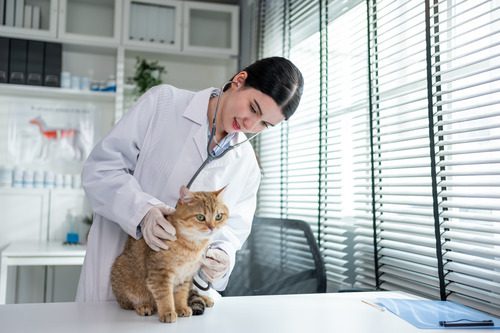
Dental health is an important part of your cat’s overall well-being, but it is often ignored until problems become serious. One of the most concerning signs of oral trouble in cats is loose teeth. While it may seem like a small issue, it can indicate pain, infection, or serious dental disease. This simple guide will help you understand why loose teeth happen in cats, how to recognize them, and what you can do to keep your cat’s teeth healthy.
What Are Loose Teeth in Cats?
Loose teeth in cats occur when a tooth becomes unstable or begins to move from its normal position in the gums. In kittens, loose teeth are often a natural part of growth as baby teeth fall out to make room for adult teeth. However, in adult cats, Loose Teeth in Cats are usually a sign of a dental problem that needs attention.
A loose tooth may move slightly when touched, cause discomfort while eating, or eventually fall out if the problem is not treated.
Common Causes of Loose Teeth in Cats
There are several reasons why cats may develop loose teeth. Some causes are mild, while others require veterinary treatment.
1. Periodontal Disease
The most common cause of loose teeth in adult cats is periodontal disease. This condition starts with plaque buildup on the teeth. Over time, plaque hardens into tartar, which irritates the gums and leads to infection. As the disease progresses, it damages the tissues and bone that support the teeth, causing them to loosen.
2. Tooth Resorption
Tooth resorption is a painful condition where a cat’s body slowly breaks down its own tooth structure. It is very common in cats and often leads to weak or missing teeth.
3. Injury or Trauma
Cats are active animals and may injure their teeth during fights, falls, or accidents. A strong impact can loosen or damage a tooth, especially if the root is affected.
4. Gingivitis
Gingivitis is inflammation of the gums caused by bacteria. If not treated, it can develop into more serious gum disease and lead to loose teeth.
5. Age-Related Dental Problems
Older cats are more likely to suffer from dental issues. As they age, their gums and teeth naturally weaken, making them more prone to looseness and decay.
6. Poor Oral Hygiene
Cats are good at hiding pain, so it is important to look for signs that may indicate a dental problem, which is why regular check-ups at Park Hills Animal Hospital can help detect issues early.
Signs of Loose Teeth in Cats
Cats are good at hiding pain, so dental problems can be difficult to notice. However, there are several warning signs to watch for:
- Difficulty chewing or eating
- Dropping food from the mouth
- Bad breath with a strong odor
- Red or swollen gums
- Excessive drooling
- Pawing at the mouth or face
- Reduced appetite or weight loss
- Visible loose or missing teeth
If you notice any of these signs, it is important to take action quickly.
Why Dental Health Matters for Cats
Healthy teeth are essential for your cat’s overall health. Dental problems do not only affect the mouth—they can also impact the entire body. Bacteria from infected gums can enter the bloodstream and affect organs such as the heart and kidneys.
Ignoring dental issues can lead to:
- Severe pain
- Difficulty eating
- Weight loss and poor nutrition
- Chronic infections
- Reduced quality of life
That is why maintaining good dental health is so important.
Diagnosis of Loose Teeth
If you suspect your cat has loose teeth, a veterinarian will perform a dental examination. This may include:
- Checking the mouth and gums
- Dental X-rays to see hidden problems
- Assessing overall oral health
These steps help determine the cause and severity of the condition.
Treatment Options for Loose Teeth in Cats
Treatment depends on the cause and severity of the problem.
1. Professional Dental Cleaning
If detected early, a deep cleaning under anesthesia can remove plaque and tartar. This helps improve gum health and prevent further damage.
2. Tooth Extraction
If a tooth is badly damaged, infected, or beyond repair, it may need to be removed. Cats usually recover well and continue eating normally after healing.
3. Medication
Antibiotics may be prescribed to treat infection, and pain relief medication helps reduce discomfort.
4. Ongoing Dental Care
If the issue is caused by chronic conditions like tooth resorption, regular monitoring and treatment may be required.
Simple Ways to Prevent Dental Problems
Preventing dental issues is always better than treating them. Here are some simple steps you can take:
Brush Your Cat’s Teeth
Use pet-safe toothpaste and gently brush your cat’s teeth regularly. This helps reduce plaque buildup.
Provide Dental Treats and Food
Special dental diets and treats are designed to support oral health and reduce tartar.
Schedule Regular Vet Visits
Routine check-ups help detect dental problems early before they become serious.
Choose Safe Toys
Avoid very hard toys that can damage teeth. Instead, use soft, cat-friendly toys.
Feed a Balanced Diet
Good nutrition supports strong teeth and healthy gums.
When to Visit a Veterinarian
You should take your cat to a vet if you notice:
- Loose or missing teeth
- Persistent bad breath
- Difficulty eating or chewing
- Swollen or bleeding gums
- Signs of pain or discomfort
Early treatment can prevent serious complications.
Final Thoughts
Loose teeth in cats are not just a minor issue—they are often a sign of underlying dental disease. By understanding the causes, recognizing the symptoms, and taking preventive steps, you can protect your cat’s oral health and overall well-being.
Regular dental care, healthy habits, and timely veterinary visits are key to keeping your cat’s teeth strong and pain-free. With proper attention, you can help your feline friend enjoy a comfortable and healthy life with a bright smile.