English
 العربية

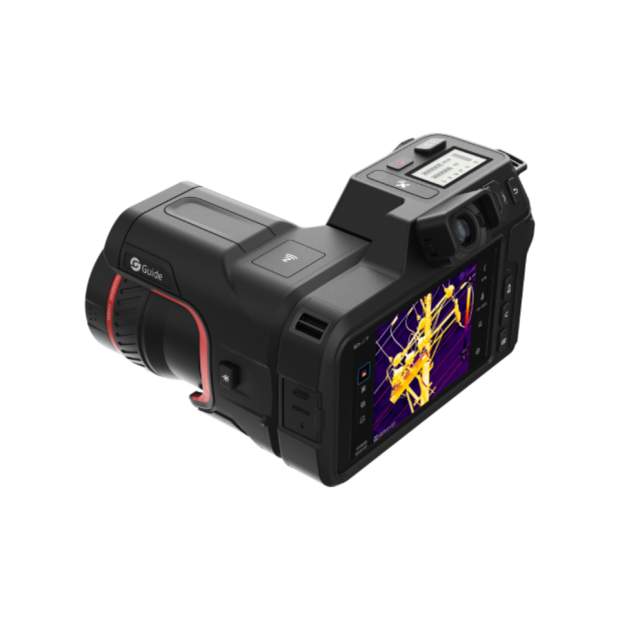
As we move through 2026, the industrial landscape is witnessing a profound transformation in how facility managers approach equipment reliability. Infrared thermography has moved far beyond simple “hotspot detection” and is now an integral component of Industry 4.0, functioning as a data-driven nervous system for modern factories. By partnering with a leading tool-like thermal camera supplier that prioritizes innovation and rugged design, maintenance teams are gaining unprecedented control over their operational efficiency and safety.
The Strategic Shift to Intelligent Predictive Maintenance
Modern industrial reliability is increasingly defined by the integration of artificial intelligence and automated thermal monitoring. In 2026, thermal systems are no longer passive tools; they are active, intelligent sensors. Key advancements include:
-
AI-Driven Anomaly Detection: Current systems utilize deep learning algorithms to distinguish between normal operational heat signatures and genuine mechanical or electrical threats, drastically reducing false positives.
-
Edge Computing: Next-generation thermal devices can now process data locally on the camera, enabling real-time alerts without the need for high-bandwidth cloud uploads.
-
Seamless IIoT Integration: Advanced cameras are now designed with standardized data interfaces, allowing them to communicate directly with existing Industrial Control Systems and Computerized Maintenance Management Systems (CMMS).
Enhancing Field Agility with Compact Solutions
The demand for portability remains a top priority for 2026 field operations. The widespread adoption of the custom pocket thermal camera has enabled technicians to transform routine site walkthroughs into high-value diagnostic missions. These compact, pocket-sized devices allow for rapid, “anywhere, anytime” inspections of motors, electrical panels, and bearings. By removing the barriers of heavy, complex equipment, organizations are seeing a marked increase in inspection frequency, which is essential for capturing intermittent faults before they escalate into full-scale system failures.
Precision and Clarity: The 256×192 Standard
For professional-grade diagnostic work, the industry has largely converged on a 256×192 resolution as the “sweet spot” for performance and cost-effectiveness. A 256×192 intelligent thermal camera provides the high-fidelity detail necessary for complex circuit board diagnostics and dense mechanical troubleshooting. When combined with smart features like automated emissivity correction and real-time thermal trending, these tools allow maintenance teams to pinpoint issues with extreme accuracy. This level of precision is critical for modern plants, where even a minor temperature variance can serve as a primary indicator of lubrication failure, coupling misalignment, or excessive electrical resistance.
Long-Term Impact on Asset Lifespan
The ultimate goal of incorporating these advanced tools is to shift the entire maintenance paradigm from reactive to truly predictive. Organizations that leverage thermal imaging data to track degradation patterns over time report consistent improvements in equipment reliability—often by as much as 35–50%. By intervening during scheduled outages based on actual condition data, rather than arbitrary time-based schedules, facilities are not only saving millions in potential emergency repair costs but also extending the operational life of their critical machinery by years.