English
 العربية

The global beauty and wellness industry is experiencing an unprecedented surge. Modern consumers are no longer just buying products; they are buying values, aesthetics, and targeted results. For entrepreneurs and content marketers looking to capitalize on this shift, private label skin care offers the fastest, most lucrative entry point into a multi-billion-dollar market.
Instead of spending years and hundreds of thousands of dollars in a laboratory developing formulas from scratch, private labeling allows you to partner with established, state-of-the-art manufacturers. You get to leverage their chemical expertise while maintaining absolute ownership over your branding, marketing, and pricing.
This comprehensive guide breaks down the exact blueprint you need to source, launch, and scale a premium private label skin care line that cuts through the digital noise.
What is Private Label Skin Care?
To build a successful brand, you must first understand the operational foundation of the beauty manufacturing supply chain.
Understanding the Formulation Model
Private label skin care involves partnering with a contract manufacturer that has already developed, tested, and stabilized high-quality skincare formulas (such as serums, cleansers, and creams). As the brand owner, you select these pre-existing formulations, customize the packaging, apply your logo, and market them as your own exclusive line.
Private Label vs. Custom Formulations (OEM)
New beauty founders often confuse private labeling with custom manufacturing:
-
Private Label (Turnkey/ODM): You use the manufacturer’s proven formulas. This drastically reduces your upfront costs, eliminates lab development fees, and ensures a rapid time-to-market.
-
Custom Formulation (OEM): You hire a chemist to create a brand-new formula from scratch. This process requires extensive stability testing, thousands of dollars in R&D, and months (or years) of development time.
For 90% of new brands, starting with premium private label products is the smartest way to validate demand before investing in custom formulas.
Why the Skin Care Niche is Incredibly Lucrative
If you are deciding which e-commerce niche to enter, the skincare sector presents distinct economic advantages over electronics, apparel, or home goods.
The Power of Repeat Purchases (Replenishment Rate)
Unlike a phone case or a kitchen utensil that a customer buys once every few years, skincare items are consumable. A standard 30ml bottle of facial serum lasts roughly 30 to 60 days. When a customer falls in love with your product, they enter a predictable, recurring purchasing cycle, giving you an exceptionally high Customer Lifetime Value (LTV).
Exceptional Profit Margins
The perceived value of skincare is heavily tied to branding, packaging storytelling, and ingredient education. A high-quality organic facial oil might cost $3.00 to manufacture at scale, but it can easily retail for $45.00 to $65.00 online. These massive margins provide you with the financial cushion needed to fund aggressive content marketing and paid advertising campaigns.
Top Private Label Skin Care Trends to Watch
To capture market share, your product lineup must align with modern consumer expectations. Generic formulas won’t cut it anymore. Your brand should focus on specific, high-demand sub-niches.
Clean, Clinical, and Conscious Beauty
Consumers are incredibly ingredient-conscious. They read back labels closely. Formulations that are free from parabens, sulfates, and synthetic fragrances are no longer optional—they are the baseline. Focus on clinical botanical actives like bakuchiol (a natural retinol alternative), niacinamide, and hyaluronic acid.
Barrier Repair and Skin Longevity
The era of over-exfoliating with harsh acids is over. The current market demands products that soothe, protect, and repair the skin barrier. Look for private label formulations rich in ceramides, peptides, centella asiatica (Cica), and bifida ferment lysates.
Sustainable and Low-Waste Packaging
Your product’s environmental footprint matters just as much as what’s inside the bottle. Partner with manufacturers that offer sustainable packaging options, such as post-consumer recycled (PCR) plastics, lightweight glass, ocean-bound plastic bottles, or refillable pod systems.
How to Find and Vet Luxury Private Label Manufacturers
Your manufacturer dictates your product quality, regulatory compliance, and supply chain reliability. Choosing the wrong partner can lead to inconsistent batches, contaminated products, or legal liabilities.
Essential Certifications to Verify
When sourcing a skincare factory, look for the following non-negotiable credentials:
-
ISO 22716 Certification: The international standard for Good Manufacturing Practices (GMP) for cosmetics.
-
FDA Registration: Ensure the facility is registered with the FDA and follows strict sanitary guidelines.
-
Cruelty-Free / Vegan Compliance: If your marketing claims you are cruelty-free, your manufacturer must have the documentation to back it up.
Red Flags to Avoid When Sourcing
-
Poor Communication: If a manufacturer takes a week to reply to a basic email during the sales phase, their communication will only worsen once they have your money.
-
Vague Ingredient Lists: A reputable supplier will provide complete transparency regarding the exact ingredient deck (INCI list) and raw material sourcing.
-
Refusal to Send Samples: Never buy blind. If they don’t offer sample kits, remove them from your list immediately.
The Sample Testing Process: A Crucial Step
Once you receive samples from your top three prospective manufacturers, do not just look at the bottle. You need to run an intensive internal testing phase.
Texture and Absorption Check
How does the product feel on the skin? Does the cleanser strip the skin dry, or does it leave a hydrated film? Does the moisturizer pill when layered under makeup or sunscreen?
Stability and Scent Profiling
Expose the sample to different environments. Leave a bottle in a warm room and another in a cool dark space. Does the emulsion separate? Does the color shift or turn yellow (a common issue with poorly stabilized Vitamin C)? If the product is unscented, does the base formula have an unpleasant chemical odor? Ensure the user experience feels premium from start to finish.
Designing a High-End Brand Aesthetic
Skincare is deeply psychological. Consumers use these products as part of their self-care rituals, meaning your visual identity must evoke an emotional response.
Choosing the Right Vessels
The physical bottle can transform a standard formula into a luxury item.
-
Amber or Violet Glass: Excellent for protecting active ingredients (like retinol or antioxidants) from light degradation while providing an upscale, apothecary aesthetic.
-
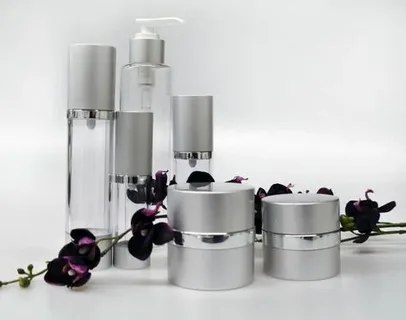
Airless Pump Bottles: Perfect for high-end creams and serums because they prevent air exposure, extending the product’s shelf life and minimizing the need for heavy preservatives.
Labeling Compliance (Don’t Get Sued)
Cosmetic labeling is heavily regulated. Your labels must clearly display:
-
The net quantity of contents.
-
An accurate ingredient list in descending order of concentration (using standard INCI names).
-
The name and place of business of your company (the distributor).
-
Crucial warning statements (e.g., “For external use only,” “Keep out of reach of children”).
Optimizing Your Skincare Website for Search Engines (Yoast & Rank Math SEO Blueprint)
To drive organic, high-intent traffic to your product pages without relying solely on expensive paid ads, you need a flawless on-page SEO strategy optimized around the focus keyword: private label skin care.
Strategic Keyword Integration
-
The H1 and Title Tag: Ensure your primary keyword is placed at the absolute front of your main heading.
-
Contextual LSI Keywords: Scatter semantic variations naturally throughout your content. Examples include: white label cosmetics, wholesale skincare products, custom cosmetic manufacturing, and professional skincare supplier.
-
The First Paragraph: State your core premise and integrate your target keyword within the initial 100 words to signal immediate relevance to search engine crawlers.
Technical SEO for E-Commerce
-
Page Speed Optimization: Skincare sites are image-heavy. Compress all product photography using next-gen formats like WebP. A delay of a single second can tank your mobile conversion rates by 20%.
-
Structured Data (Schema Markup): Implement Product Schema so that star ratings, price points, and stock availability pull directly into Google’s search results pages.
Content Marketing Strategies to Scale Your Skincare Brand
Owning a private label brand gives you the ultimate creative freedom to execute an authority-building content marketing campaign.
Educational Blogging (Inverted Pyramid Method)
Don’t just write posts saying “Buy our cream.” Instead, address the top-of-funnel pain points your customers are actively searching for. Create long-form diagnostic guides such as “How to Fix a Damaged Skin Barrier” or “The Ultimate Routine for Cystic Acne.” Within those educational pieces, seamlessly position your private label products as the ultimate clinical solution.
Leveraging Short-Form Video Content
Skincare is highly visual. Platforms like TikTok, Instagram Reels, and YouTube Shorts are perfect for showing “Before and After” transformations, texture close-ups, ASMR unboxing videos, and routine tutorials. Link these viral video assets back to your SEO-optimized blog posts and collection pages to build a multi-channel traffic funnel.
Managing Inventory and Minimum Order Quantities (MOQs)
Inventory management is where most e-commerce businesses win or lose their cash flow battles.
Negotiating Your First Production Run
Many high-end private label skincare manufacturers offer low initial MOQs, sometimes starting at just 100 to 500 units per stock-keeping unit (SKU). While the price per unit will be higher at these lower tiers, it vastly mitigates your initial financial risk.
By keeping your initial $MOQ$ low, you preserve vital capital to spend on your launch marketing campaigns.
Scaling Up Production
As your content marketing strategy begins driving consistent daily organic sales, transition to higher volume brackets (e.g., 2,500 to 5,000 units). This transition lowers your cost of goods sold (COGS) drastically, boosting your net margins and freeing up cash flow to introduce new SKUs to your product line.
Conclusion: Turn Your Passion for Skincare Into a Valuable Asset
Launching a private label skin care brand is one of the most accessible paths to long-term e-commerce wealth. By outsourcing the chemical formulations to certified laboratory experts, you free up your time to focus on what truly moves the needle: elite branding, flawless web optimization, and a world-class customer experience.