English
 العربية

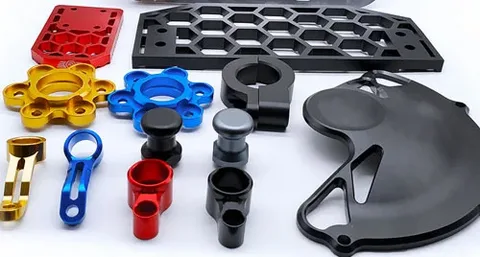
The anodizing surface finish is a widely used electrochemical process that enhances the natural oxide layer on metals, especially aluminum. In commercial applications, this finishing technique is valued for its balance between performance, appearance, and cost efficiency. Businesses across manufacturing, construction, electronics, and automotive industries rely on anodizing to improve product longevity without significantly increasing production costs.
From a commercial standpoint, anodizing is considered one of the most practical surface treatments because it delivers high durability at relatively low operational expense. It also supports large-scale production, making it suitable for mass manufacturing environments where consistency and affordability are critical.
- Provides a protective oxide layer on aluminum surfaces
- Reduces long-term maintenance and replacement costs
- Enhances corrosion and wear resistance
- Suitable for large-scale commercial production
- Offers consistent finish quality across batches
Key Benefits of Anodizing Surface Finish for Commercial Use
One of the primary advantages of the anodizing surface finish is its ability to significantly improve corrosion resistance. This makes it especially valuable in industries where metal components are exposed to moisture, chemicals, or outdoor environments. The protective layer formed during anodizing becomes part of the metal itself, ensuring long-lasting durability.
Another important benefit is aesthetic versatility. Anodized surfaces can be dyed in various colors while maintaining a professional metallic appearance. This allows manufacturers to meet both functional and design requirements without adding extra coating processes.
- Strong resistance to corrosion and oxidation
- Enhanced surface hardness for improved durability
- Decorative flexibility with multiple color options
- Improved resistance to scratches and wear
- Environmentally friendly compared to many coating methods
Manufacturing Efficiency and Cost Reduction Strategies
In commercial manufacturing, the anodizing surface finish is highly valued for its cost-effectiveness. The process requires relatively low energy consumption compared to other coating methods, and it can be automated for high-volume production. This reduces labor costs while improving output consistency.
Additionally, anodizing reduces the need for secondary finishing processes such as painting or additional protective coatings. This streamlining of production steps helps manufacturers save both time and money while maintaining product quality.
- Low energy consumption during processing
- Reduced labor costs through automation
- Eliminates need for additional protective coatings
- Supports high-volume production efficiency
- Minimizes material waste and rework expenses
Material Durability and Performance Advantages
The anodizing surface finish significantly enhances the mechanical properties of aluminum and similar metals. It increases surface hardness, making components more resistant to scratches, abrasion, and general wear. This is especially important for commercial products that undergo frequent handling or mechanical stress.
Moreover, anodized layers improve thermal stability and electrical insulation properties, which makes them suitable for industrial and electronic applications. This combination of durability and functional enhancement adds significant value to commercial products.
- Increased surface hardness and scratch resistance
- Improved wear resistance under heavy usage
- Better thermal stability for industrial environments
- Enhanced electrical insulation properties
- Long-lasting performance in demanding conditions
Applications Across Commercial and Industrial Sectors
The anodizing surface finish is used in a wide range of industries due to its adaptability and performance benefits. In the automotive sector, it is commonly applied to decorative trim, engine parts, and structural components. In construction, anodized aluminum is used for window frames, roofing systems, and architectural facades.
In electronics and consumer goods, anodizing ensures durability while maintaining a sleek appearance. It is also widely used in aerospace and marine industries where corrosion resistance and strength are critical for safety and reliability.
- Automotive parts such as trims and engine components
- Architectural structures like windows and curtain walls
- Electronics housings and consumer devices
- Aerospace components requiring lightweight durability
- Marine equipment exposed to harsh environments
Conclusion
The anodizing surface finish stands out as one of the most cost-effective and reliable surface treatment methods for commercial applications. Its ability to combine durability, corrosion resistance, and aesthetic flexibility makes it an ideal choice for a wide range of industries. By reducing production costs, minimizing maintenance needs, and extending product lifespan, anodizing continues to play a crucial role in modern manufacturing and industrial design.