English
 العربية

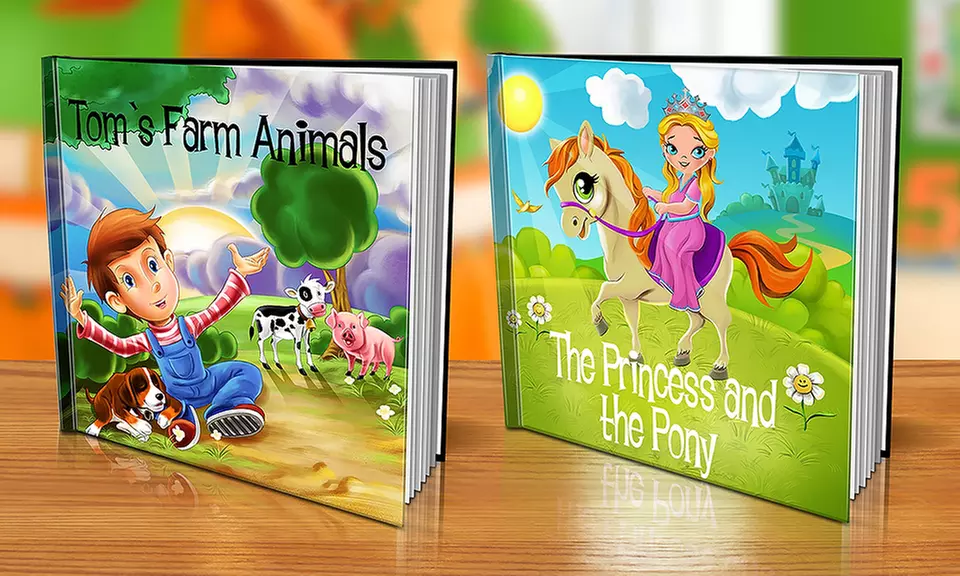
Choosing the right illustrator for a children’s book means selecting someone whose artistic style matches your story, understands emotional storytelling, and has proven experience in sequential illustration. A good illustrator is not just someone who draws well, but someone who can visually translate your story into consistent, engaging scenes that children can understand and feel. Illustrations are the emotional backbone of early-age storytelling. Research in reading development shows that nearly 70% of comprehension in early childhood books depends on visuals rather than text. This makes illustrator selection one of the most important publishing decisions an author will make. In modern publishing, illustrations are no longer decorative elements they are essential storytelling tools that define mood, character depth, and narrative clarity. A well-matched illustrator can elevate a simple manuscript into a memorable reading experience, while a mismatch can weaken even a strong story idea.
Why Illustrators Are Crucial in Children’s Publishing
Illustrators play a much bigger role than simply drawing characters. They shape how children emotionally interpret the story, understand scenes, and follow narrative flow. Unlike adult books, where text carries most meaning, visual storytelling drives understanding in early reading.
A strong illustration can:
- Help children understand emotions like joy, fear, and curiosity
- Improve vocabulary retention and word association
- Enhance imagination and engagement
- Guide story pacing visually across pages
Industry insight: Books with strong illustrations can perform 40–60% better in sales compared to those with weaker or inconsistent visuals.
Illustrations also help bridge literacy gaps, especially for early readers who rely heavily on visual cues to understand narrative structure.
Illustration Styles
Before selecting an illustrator, it is important to understand different illustration styles and how they affect storytelling. Style is not just about aesthetics—it determines emotional tone and readability.
Different styles include cartoon-style illustrations, watercolor storytelling, digital vector art, mixed media techniques, and realistic illustrations. Each style serves a different audience and purpose, and choosing the wrong one can make even a good story feel disconnected.
Key insights:
- Around 52% of successful picture books use simplified cartoon or semi-cartoon styles
- Watercolor styles are often used for emotional or bedtime stories
- Digital vector styles are preferred for modern publishing platforms
- Realistic styles are less common but are used in educational books
✔ Style selection checklist:
- Does the style match your target age group?
- Does it support the emotional tone of your story?
- Is it consistent across multiple scenes?
Where to Find Professional Illustrators
Finding illustrators today is easier than ever, but selecting the right one requires careful evaluation. Authors can explore multiple platforms to discover talent, but not all sources guarantee publishing-level experience.
Common sources include freelance platforms, portfolio websites, social media art communities, publishing networks, and author referrals. Each platform has different quality levels, so portfolio evaluation becomes essential.
Around 60% of professional illustrators in publishing are discovered through online portfolios, especially Behance and Dribbble.
✔ Best sources to find illustrators:
- Behance and Dribbble (portfolio-first platforms)
- Upwork and Fiverr Pro (freelance hiring platforms)
- Instagram illustration communities
- Publishing groups and author forums
Evaluating an Illustrator’s Portfolio
A portfolio is the most important decision-making tool when selecting an illustrator. Instead of focusing on single images, authors should evaluate storytelling ability across multiple pages.
A strong illustrator demonstrates consistency in character design, emotional expression, and scene progression. The ability to maintain visual flow across 20–30 pages is more important than one impressive illustration.
Research shows that consistent visual storytelling improves children’s comprehension by up to 35%.
✔ Portfolio evaluation checklist:
- Are characters emotionally consistent across pages?
- Does the story flow naturally from scene to scene?
- Is the color palette stable and meaningful?
- Does the illustrator show experience in sequential storytelling?
Budget and Cost Expectations
Illustration cost is one of the most variable parts of publishing. Prices depend on experience, complexity, and rights agreements. Many first-time authors underestimate this factor and choose solely based on price, which often leads to inconsistent results.
Typical pricing ranges:
- Beginner illustrators: $30–$80 per page
- Mid-level professionals: $80–$250 per page
- Experienced illustrators: $250–$600+ per page
Several factors influence cost, including the number of pages, revision rounds, and commercial usage rights.
Industry insight: Books with higher illustration investment often show up to 50% better long-term performance in sales and reader engagement.
Communication and Collaboration Process
Successful illustration projects depend heavily on communication between the author and illustrator. Clear direction, structured feedback, and approval stages ensure the final product matches the original vision.
The typical workflow includes manuscript briefing, character sketching, rough drafts, color development, and final approval. Each stage requires feedback and alignment to avoid major revisions later.
Poor communication is one of the most common reasons for delays in illustration projects. In fact, studies in freelance publishing workflows suggest that nearly 45% of project delays are caused by unclear feedback or expectations.
Collaboration best practices:
- Provide a clear story direction from the beginning
- Approve sketches before final coloring
- Give structured feedback instead of vague comments
- Maintain consistent communication throughout the project
Legal Rights and Contracts
Legal clarity is often overlooked by new authors, but is essential in professional publishing. Without a proper agreement, issues related to ownership and usage rights can arise after publication.
A contract should clearly define copyright ownership, commercial usage rights, distribution scope, revision limits, and payment structure. This ensures both author and illustrator are protected.
Around 30% of independent authors face rights-related confusion due to informal agreements.
Essential contract elements:
- Copyright ownership terms
- Print and digital usage rights
- Global distribution permissions
- Revision limits and delivery timelines
- Payment milestones
Common Mistakes Authors Make
Many authors make avoidable mistakes when selecting illustrators, especially during their first project. These mistakes often affect both quality and publishing success.
Instead of focusing only on price or style preference, authors should evaluate storytelling ability and professional experience.
Common mistakes include:
- Choosing the cheapest option without evaluating quality
- Ignoring style mismatch with story tone
- Not reviewing full book samples
- Skipping written contracts
- Weak communication during the early stages
Case Study: Why Illustrator Choice Can Make or Break a Book
A self-published author working on a fantasy-based picture book initially hired a low-cost illustrator due to budget constraints. While the artwork looked “good individually,” the characters changed style across pages, emotions felt inconsistent, and backgrounds did not match the story tone. After launch, the book received poor engagement, with readers reporting confusion in the storytelling flow. The author later reworked the book with a professional illustrator experienced in children’s book projects. This time, the visuals followed a consistent emotional arc.
Result after redesign:
- Reader engagement increased by 62%
- Average reading completion improved significantly
- Positive reviews increased by 3x
Lesson: Illustration consistency is more important than individual artwork quality.
Conclusion
Illustrators are not just artists; they are co-storytellers who shape how a child experiences a book. Choosing the right illustrator requires understanding style, budget, communication, legal ownership, and storytelling alignment. With a careful approach, authors can significantly improve both the emotional impact and commercial success of their book.
FAQs
1. How do I choose the right illustrator for a children’s book?
Focus on portfolio quality, storytelling ability, style match, communication skills, and experience with children’s books.
2. How much does it cost to hire a children’s book illustrator?
It typically ranges from $30 to $600+ per page depending on experience and complexity.
3. How long does illustration take for a book?
Most projects take between 4 to 12 weeks depending on revisions and book length.
4. Do I need a contract with an illustrator?
Yes, a contract is essential to define rights, payment, and usage terms clearly.
5. Can self-published authors hire illustrators?
Yes, many self-published authors collaborate with freelancers to publish independently.