English
 العربية

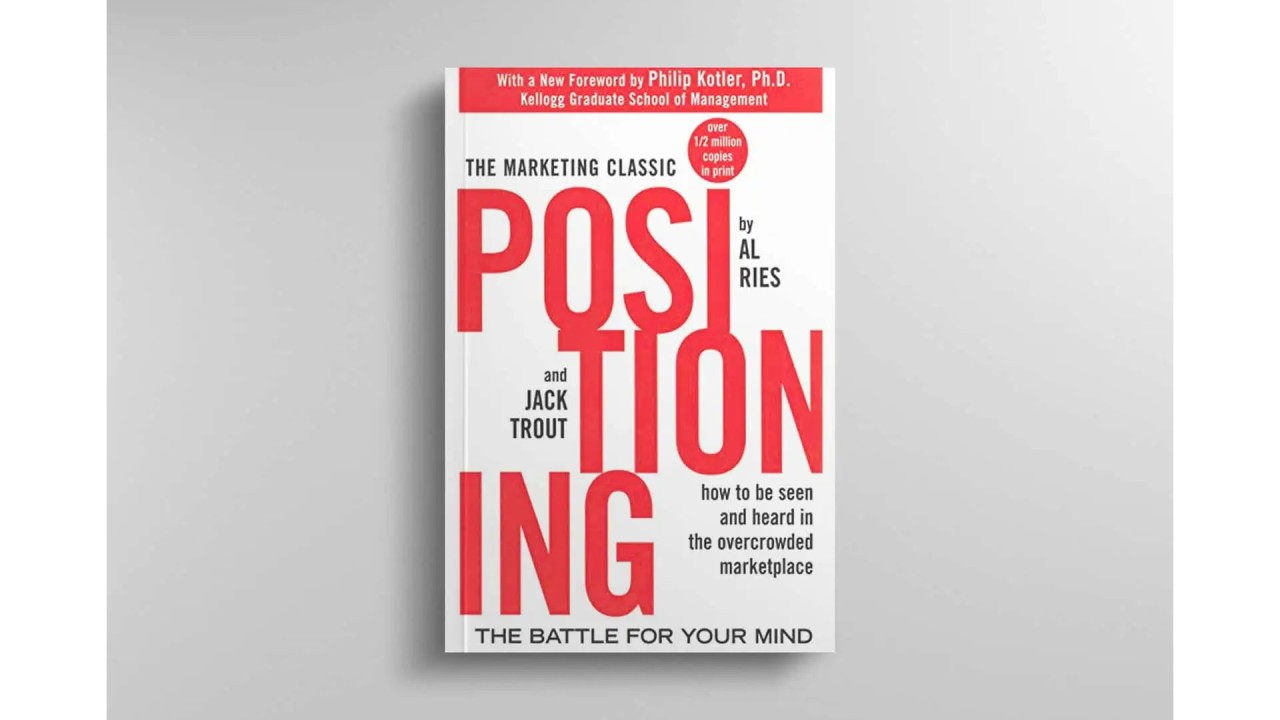
Today, digital visibility has become essential for both genres. Many writers search for resources like book marketing services near me to understand how modern promotion works and which strategies are most effective for their audience. According to industry reports, more than 70% of readers discover books online, making digital marketing one of the strongest factors influencing book sales today. Although both fiction and nonfiction books require promotion, the methods that drive success differ greatly depending on reader behavior, buying intent, and content style. Understanding those differences helps authors create smarter and more effective marketing campaigns.
Why Fiction and Nonfiction Require Different Marketing Strategies
Fiction and nonfiction books need different marketing approaches because readers interact with these genres in completely different ways. Fiction readers are usually emotionally motivated. They want entertainment, escapism, imagination, and relatable storytelling experiences. Nonfiction readers are more goal-oriented and look for books that solve problems, teach skills, or provide valuable information.
Because of this difference, fiction marketing relies heavily on emotional connection and audience engagement. Nonfiction marketing focuses more on trust, expertise, authority, and educational value.
Research from publishing and consumer behavior studies shows that emotionally engaging content drives fiction sales more effectively, while informational and search-focused content generates stronger nonfiction visibility.
Key differences between fiction and nonfiction marketing:
- Fiction sells experiences and emotions
- Nonfiction sells knowledge and solutions
- Fiction readers follow trends and communities
- Nonfiction readers search intentionally for information
- Emotional storytelling works better for fiction
- Authority-based marketing works better for nonfiction
Best Marketing Methods for Fiction Authors
Fiction authors benefit most from emotionally engaging and community-driven marketing strategies because fiction readers are highly influenced by emotional reactions, visuals, and social trends.
Social media has become one of the strongest tools for fiction promotion. Platforms like TikTok and Instagram have changed how readers discover novels. The rise of “BookTok” has influenced millions of purchases globally, especially in romance, fantasy, thriller, and young adult genres.
Readers are more likely to purchase fiction books after seeing emotional reactions, aesthetic edits, or character-driven content online. This type of promotion creates curiosity and emotional investment before readers even open the book.
Most effective fiction marketing methods:
- TikTok storytelling and viral trends
- Instagram aesthetics and visual branding
- Goodreads reviews and book communities
- Book bloggers and influencer collaborations
- Emotional teaser campaigns
- Reader discussion groups and fan engagement
Email marketing also works well for fiction authors when it feels personal and immersive. Readers often respond positively to bonus chapters, exclusive scenes, or character updates.
Studies show that fiction books receiving strong social engagement and user-generated content tend to achieve higher visibility and stronger reader conversion rates compared to books relying only on advertisements.
Best Marketing Methods for Nonfiction Authors
Nonfiction authors achieve the strongest results through authority-building, educational content, and SEO-focused marketing. Unlike fiction readers, nonfiction readers often search online for solutions to specific problems before purchasing books.
Blogging is one of the most effective nonfiction marketing strategies because it increases Google visibility and positions authors as experts in their niche. For example, a health author can attract readers through articles about wellness, productivity, or nutrition.
This is also why many nonfiction writers work closely with book publishing services to improve discoverability, metadata optimization, and audience targeting strategies.
Podcasts and webinars are also highly effective because they allow authors to demonstrate expertise directly to potential readers. Nonfiction readers are more likely to trust authors who provide practical value before promoting a book.
Most effective nonfiction marketing methods:
- SEO-focused blog content
- Educational YouTube videos
- Podcast interviews and webinars
- LinkedIn branding and networking
- Free downloadable resources
- Email newsletters with useful insights
According to digital marketing research, content marketing generates significantly more sustainable long-term traffic than purely promotional advertising campaigns.
How Reader Behavior Shapes Book Marketing Success
Reader behavior directly determines which marketing strategy works best. Fiction readers are heavily influenced by emotional recommendations, online communities, and social proof. Nonfiction readers are more analytical and often search intentionally for educational content or expert advice.
For example, a fiction reader may discover a fantasy novel through a viral TikTok video showing emotional reactions. A nonfiction reader may search Google for “best books on leadership” or “top productivity books for entrepreneurs.”
These differences affect not only where books should be promoted but also how they should be presented to audiences.
Fiction audience behavior:
- Emotion-driven purchasing
- Influenced by trends and fandoms
- Responsive to visual storytelling
- More community-oriented
Nonfiction audience behavior:
- Information-driven purchasing
- Influenced by expertise and authority
- Responsive to educational content
- More research-focused
Authors who understand audience psychology can market more effectively and avoid wasting resources on unsuitable strategies.
The Role of SEO in Modern Book Marketing
SEO is one of the most powerful tools in modern book marketing, especially for nonfiction authors. Search engine optimization helps books and related content appear when readers search for specific topics online.
Nonfiction authors benefit strongly from SEO because readers actively search for educational information. By publishing optimized blogs, FAQs, and keyword-targeted content, authors increase visibility and attract organic traffic.
Fiction authors can also benefit from SEO by optimizing:
- Book descriptions
- Metadata and categories
- Author websites
- Blog articles related to themes or genres
Benefits of SEO for authors:
- Improves online visibility
- Generates long-term organic traffic
- Helps readers discover books naturally
- Builds authority and trust
Statistics show that websites appearing on the first page of Google receive the majority of search traffic, making SEO essential for long-term discoverability.
Common Book Marketing Mistakes
Many authors struggle with marketing because they use generic strategies without considering genre-specific audience behavior.
Common fiction marketing mistakes:
- Ignoring reader communities
- Weak visual branding
- Inconsistent social media activity
- Over-promotional messaging
Common nonfiction marketing mistakes:
- Ignoring SEO opportunities
- Failing to establish authority
- Publishing without audience research
- Lack of educational content
Another major mistake is beginning promotion only after publication. Successful authors often start audience-building months before launch.
Case Study Comparison: Fiction vs Nonfiction Marketing
A fantasy fiction author recently gained strong visibility through TikTok and Instagram by sharing character aesthetics, emotional quotes, and reader reactions. Viral engagement helped the book gain organic popularity among younger audiences. In comparison, a nonfiction business author used a completely different approach. Instead of viral content, the author focused on blogs, podcast interviews, LinkedIn networking, and SEO. Over time, educational content ranked on Google and generated consistent traffic from professionals searching for business advice. These examples show that successful marketing depends more on audience alignment than simply following trends.
Future Trends in Book Marketing
Book marketing is becoming more digital, personalized, and search-driven. Emerging technologies and changing user behavior are influencing how readers discover books online.
Future marketing trends:
- AI-powered recommendations
- Personalized email campaigns
- Voice search optimization
- Community-based engagement
- Short-form video content
Authors who adapt to evolving search behavior and audience expectations will likely maintain stronger visibility in the future.
Conclusion
Fiction authors achieve the best marketing results through emotional engagement, reader communities, and visual storytelling, while nonfiction authors succeed more through authority-building, SEO, and educational content strategies. The most effective marketing method depends on understanding reader intent, audience psychology, and platform behavior. Authors who tailor their strategies according to genre-specific behavior are more likely to build trust, visibility, and long-term sales success.
FAQs
1. Which marketing strategy works best for fiction authors?
Social media storytelling, reader communities, influencer collaborations, and emotional branding work best for fiction authors because fiction readers usually connect through emotions, characters, and immersive experiences.
2. Why is SEO important for nonfiction authors?
SEO is important for nonfiction authors because it helps their content appear in Google search results when readers look for information, solutions, or expert advice related to a topic.
3. Do fiction books benefit from SEO?
Yes, fiction books benefit from SEO through optimized metadata, searchable descriptions, author websites, and genre-related content. While fiction relies more on emotional and social engagement, SEO still helps readers discover books through Google and online searches
4. What platform works best for fiction marketing?
TikTok, Instagram, Goodreads, and online reading communities are among the most effective platforms for fiction marketing because they encourage emotional engagement and reader interaction. TikTok’s BookTok trend has significantly influenced fiction sales by creating viral reader reactions and recommendations.
5. What is the biggest mistake authors make in marketing?
One of the biggest mistakes authors make in marketing is using generic promotional strategies without understanding their target audience, reader behavior, or genre-specific expectations. Many authors focus solely on selling the book rather than on building trust, engagement, and long-term visibility.